
Ally Dunk
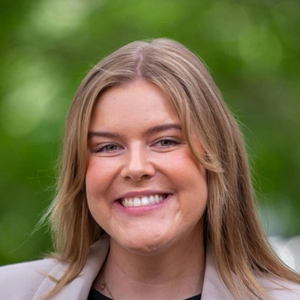
Ally Dunk is a Curriculum Music Teacher at Brisbane Girls Grammar School, where she teaches within a Kodály-inspired music program. With experience across both primary and secondary contexts, she designs engaging music learning experiences that develop musicianship, creativity, and confidence. Ally is also an active choral conductor and composer, and enjoys sharing her musical passions with her students.
– Monday, 28 September
Older “Beginners”?
- Monday, 28 September
- 12:00 pm
“All ’round the brickyard, remember me” would be familiar to almost all of us here — a staple for opening the first lesson with a new secondary class. But what does this opening assume about our students? How might it feel to be positioned as a ‘beginner’ again at the very moment when students are negotiating identity, competence, and belonging? What messages do our opening musical gestures send about whose musical knowledge counts?
What if the first music lesson did not begin with what we recognise as foundational, but with what students bring? What if students’ prior musical learning — formal, informal, cultural, or self-taught — were treated not as peripheral, but as legitimate musical capital from the outset? How might this shift students’ sense of agency, confidence, and value as musicians?
In this practical workshop, we unpack how staff at Brisbane Girls Grammar School approach music learning in Year 7 (the first year of secondary school) with students from highly divergent musical backgrounds. The session examines strategies for designing inclusive, joyful, and musically rigorous experiences that meet students where they are, while still establishing shared musical foundations for future learning. At each stage, keeping the student experience central to teaching and learning.
Rather than offering a universal solution, this session presents one possible response to a persistent question: what do the first musical moments in secondary school tell students about who music is for? Participants are invited to reflect on how starting differently might challenge entrenched assumptions, deepen engagement, and support more students to see themselves as musicians.