
Bernie Heard
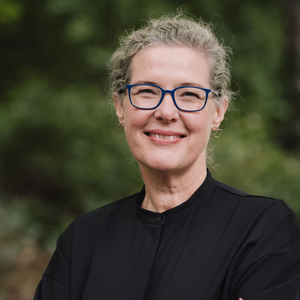
Bernie Heard is Director of Music in Me at the Australian Youth Orchestra, leading a national teacher mentoring program that supports quality music education in primary schools across Australia. A former CEO of Sydney Youth Orchestras and Executive Director of Gondwana Choirs, she has more than two decades of leadership experience in music education, arts management and advocacy. Bernie holds degrees in Music Education and Business (MBA), is a Churchill Fellow, and works extensively with education systems, researchers and arts organisations to expand equitable access to music learning for Australian children.
– Wednesday, 30 September
Sing • Move • Thrive: A Decade of Research on the AYO Music in Me Program and the Role of Mentoring in Sustaining Music Education
- Wednesday, 30 September
- 12:00 pm
Sing • Move • Thrive: A Decade of Research on the AYO Music in Me Program and the Role of Mentoring in Sustaining Music Education – Presented by Bernie Heard
The Australian Youth Orchestra’s Music in Me (MiM) program, originally the National Music Teacher Mentoring Program, was established in 2015 by the late Richard Gill AM, one of Australia’s most influential advocates for music education. A decade on, MiM has evolved into a national, in-situ mentoring initiative that pairs expert music educators with generalist primary classroom teachers to develop singing-based, sequential and literacy-rich music learning within everyday primary school contexts.
While many Music in Me mentors across Australia are highly experienced Kodály-trained educators, the program does not privilege or prescribe any particular pedagogical approach. Rather, mentors draw on a range of music education traditions and professional expertise to support teachers in delivering high-quality classroom music learning that responds to local needs and contexts. Consistent with Richard Gill’s vision that every child deserves access to quality music education, the program focuses on building teacher capability through sustained mentoring relationships, practical classroom application and a strong emphasis on singing as a foundation for musical learning.
This presentation synthesises a decade of independent research led by Professor Margaret S. Barrett (Monash University), together with Dr Katie Zhukov, Professor Graham F. Welch and colleagues. The first national evaluation demonstrated statistically significant improvements in children’s singing skills and attitudes towards music in mentored classrooms, regardless of gender, ethnicity or socio-economic background. These findings provide compelling evidence that high-quality classroom music education can be delivered by generalist teachers when supported through sustained, school-based mentoring. Complementary qualitative research identified a distinctive collaborative self-development model of mentoring that builds teacher confidence, musical identity, professional capability and communities of practice. Subsequent research confirmed that these benefits persist beyond the mentoring period, generating lasting impacts for teachers, students and whole-school music cultures.
The presentation focuses particularly on the most recent study (2024–2026), which examined how participation in MiM contributes to teacher wellbeing, career satisfaction, retention and professional sustainability. Drawing on retrospective and pre/post surveys, interviews with mentors, teachers and principals, mentoring logs and case studies, the research found that participation strengthens teachers’ professional identity, confidence to sing and teach music, sense of efficacy, and connection to meaningful educational practice. Mentors similarly reported high levels of professional fulfilment associated with sharing expertise and witnessing student and teacher growth, while also identifying administrative demands and casual employment conditions as factors that can diminish wellbeing. Principals highlighted the transformative role of singing in supporting engagement, regulation and social connection, particularly for students with additional needs and those from culturally and linguistically diverse backgrounds.
Across the research, several mentoring practices consistently emerged as critical to success: modelling, observation, responsive feedback, gradual release of responsibility and sustained relational support. These findings resonate with principles highly valued by Kodály educators, including sequential learning, musical literacy, active music-making and equitable access to high-quality music education for every child. In the spirit of Sing • Move • Thrive, the presentation concludes by exploring how mentoring can strengthen teacher confidence, support professional wellbeing and career sustainability, and expand access to joyful and meaningful music learning for every learner. It will also provide a brief overview of the program’s current national reach and opportunities for Kodály educators to engage as mentors, partner schools and advocates for quality music education.